
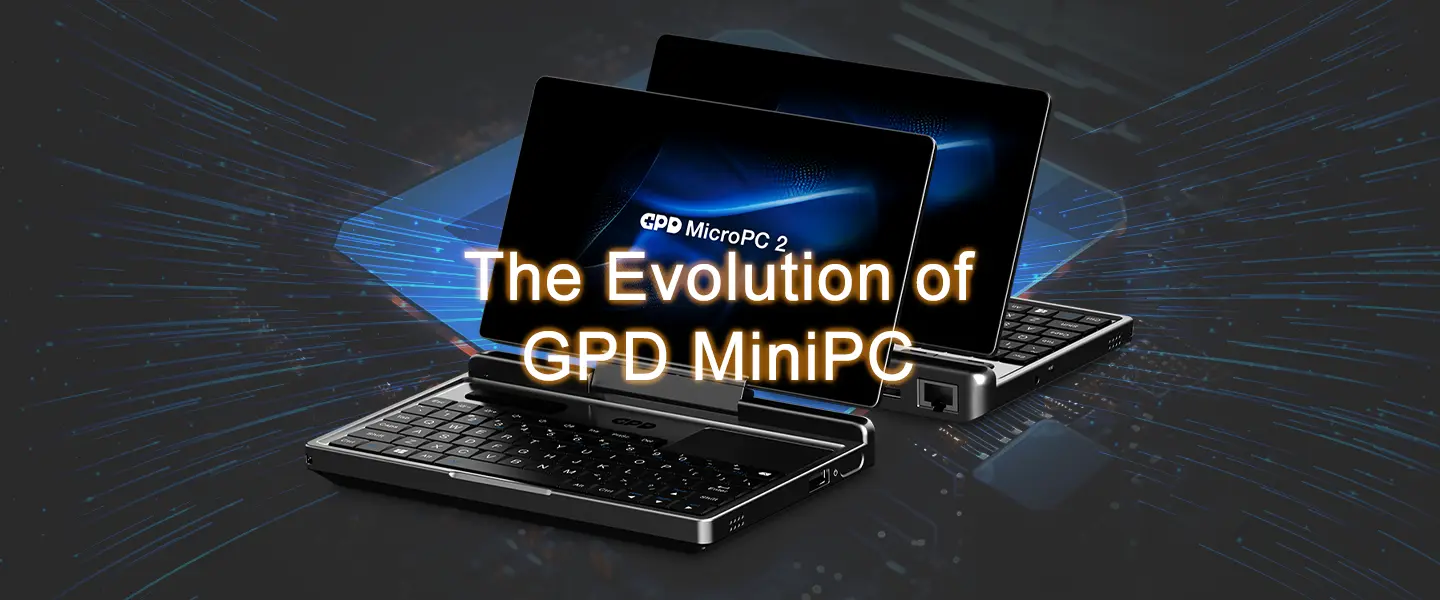
In a tech world where "bigger and faster" often takes the spotlight, GPD (GamePad Digital) has taken a very different route — shrinking full Windows PCs down to pocket size. With sleek designs and surprisingly strong performance, GPD has carved out a unique space in the niche MiniPC market, becoming a standout player in the world of ultra-portable computers.
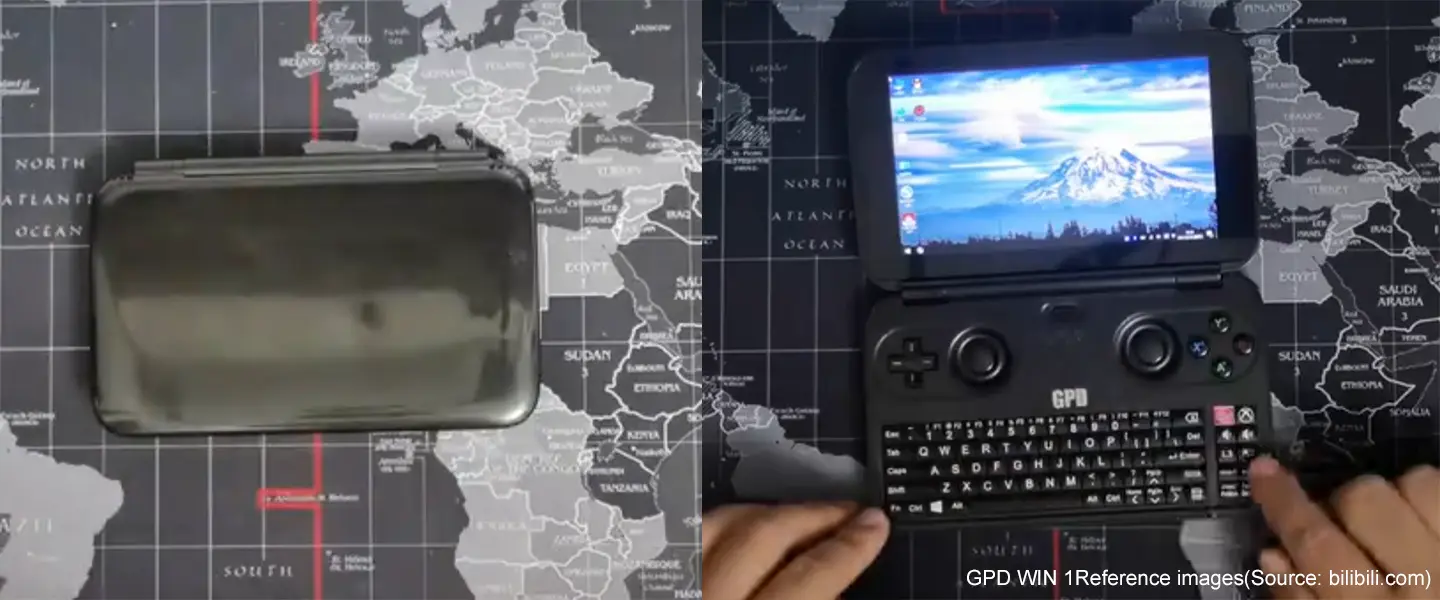
1.Starting With Gaming: GPD Win 1 Brings Windows to Your Pocket
GPD's journey began in the world of handheld gaming. In 2016, they launched the GPD Win 1, powered by an Intel Atom Z8500 processor, with a 5.5-inch screen and 4GB of RAM. It could smoothly run older titles like Resident Evil 4, but what made it revolutionary was its combination of a physical keyboard, built-in game controls, and a full Windows OS — all in a device that fit in your hand. At a time when mobile gaming was still developing, this was a bold move that filled a clear gap in the market.
2. From Play to Productivity: GPD Pocket Redefines Mobile Work
In 2017, GPD shifted gears and tapped into a new kind of demand — portable productivity. The GPD Pocket was born: a 7-inch, 480-gram mini laptop that looked and felt premium with its magnesium-alloy body. It featured a 1920×1200 Retina display with 10-point touch support, ran on an Atom X7-Z8750 processor with 8GB RAM, and came with a full set of ports including USB-A, HDMI, and a headphone jack. With up to 12 hours of battery life and USB-C fast charging, it became a surprise hit on Indiegogo, raising over $3 million and moving GPD from a gaming niche into the hands of mobile professionals.
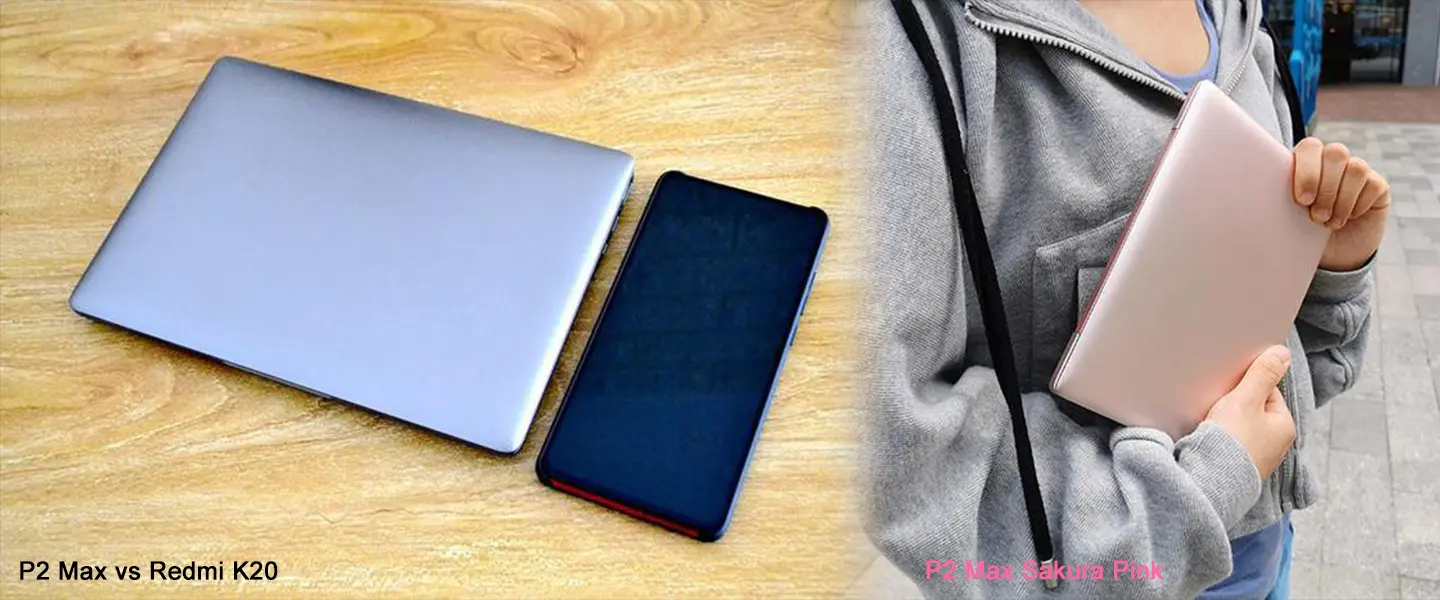
3. Small but Mighty: P2 Max Pushes the Boundaries of the Ultrabook
Released in 2019, the GPD P2 Max shattered the myth that small devices mean weak performance. Weighing just 650g with an 8.9-inch display, this ultrabook packed serious specs: Intel Core m3-8100Y processor, 16GB RAM, 512GB NVMe SSD, and a 2.5K Retina screen with 340PPI pixel density. It included fingerprint unlocking, active cooling, and SSD read/write speeds up to 1600MB/s. Designed for both work and play, it could be docked to external monitors and used as a full desktop setup. A special Sakura Pink edition, launched at CES 2020, also made it a hit among female tech enthusiasts.
4. Innovation on Two Fronts: GPD Pocket 3 & Win 3
In 2021, GPD doubled down on innovation. The GPD Pocket 3 was a game-changer for mobile professionals. Users could choose between an Intel i7-1195G7 or N6000 processor, and enjoy a 360° rotatable touchscreen with stylus support (4096 pressure levels). Its modular I/O design let users swap in an RS-232 serial port, KVM switch, or extra USB ports — ideal for IT pros, network engineers, and field techs. Dual Thunderbolt 4 and a 2.5G Ethernet port gave it desktop-class connectivity in an ultra-portable package.
That same year, GPD launched the Win 3, a powerhouse handheld gaming PC. Featuring a sliding keyboard, magnetic joysticks, and linear triggers, it was powered by an 11th-gen Intel i7 CPU and 16GB RAM — capable of running AAA titles like Cyberpunk 2077 right in your hands. It blurred the lines between handheld gaming and full-blown PC experiences.
5. Built for the Field: MicroPC 2 Tailored for Professionals
Coming in 2025, the MicroPC 2 is GPD’s latest step into the industrial and enterprise world. It features a 7-inch 1080p LTPS screen, weighs just 490g, and comes loaded with a variety of ports for fieldwork, diagnostics, and system maintenance. It runs on an Intel N250 processor with 16GB RAM and 512GB SSD, and supports Wi-Fi 6 for transfer speeds up to 2402 Mbps — ensuring fast and reliable network access in any environment. It’s the ideal portable workstation for engineers, sysadmins, and IT professionals on the go.
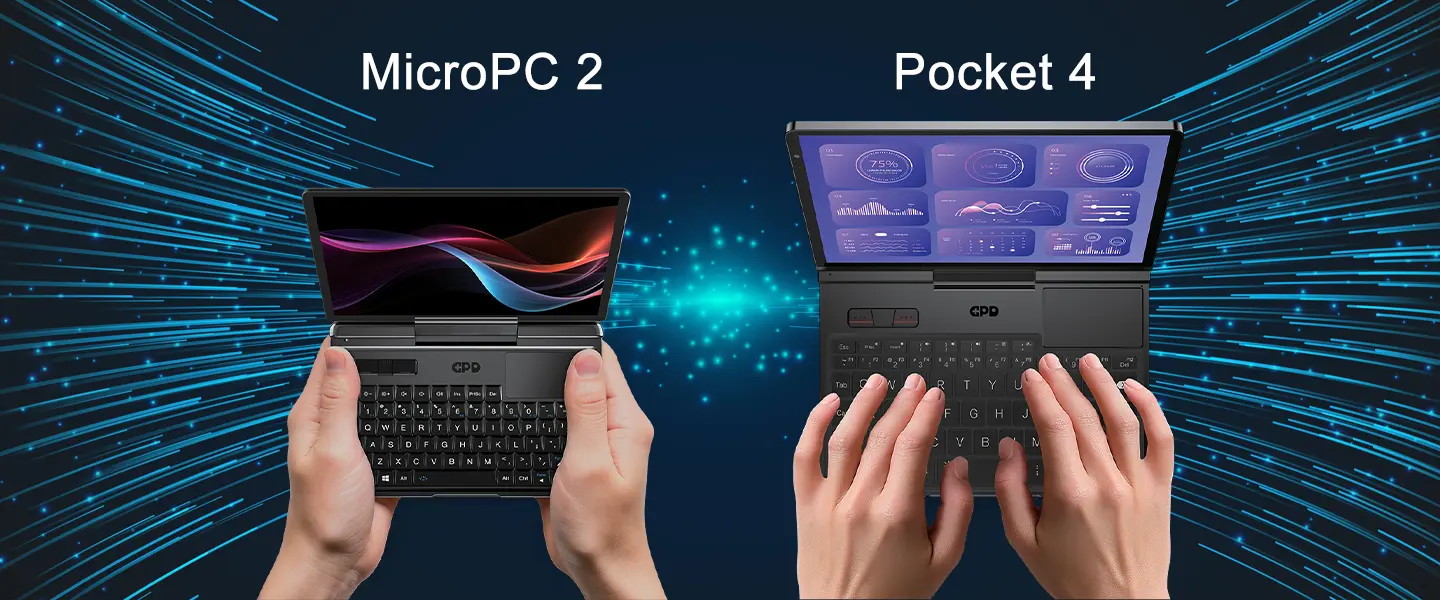
Since its founding in 2012, GPD has stuck to one clear mission: designing for real users, not the mainstream trend. Whether it's gamers, coders, or field engineers, GPD listens to its community and builds products tailored to their needs. With over 10 different MiniPC and handheld gaming devices under its belt, GPD has earned the loyalty of tech enthusiasts and power users around the world.
The MiniPC market may still be niche, but with the rising demand for portability, flexibility, and on-the-go performance, GPD is proving that small devices can deliver big results. And in the years to come, MiniPCs just might become the next big thing — in a very small package.