
Performance & Expandability: A Major Leap Forward
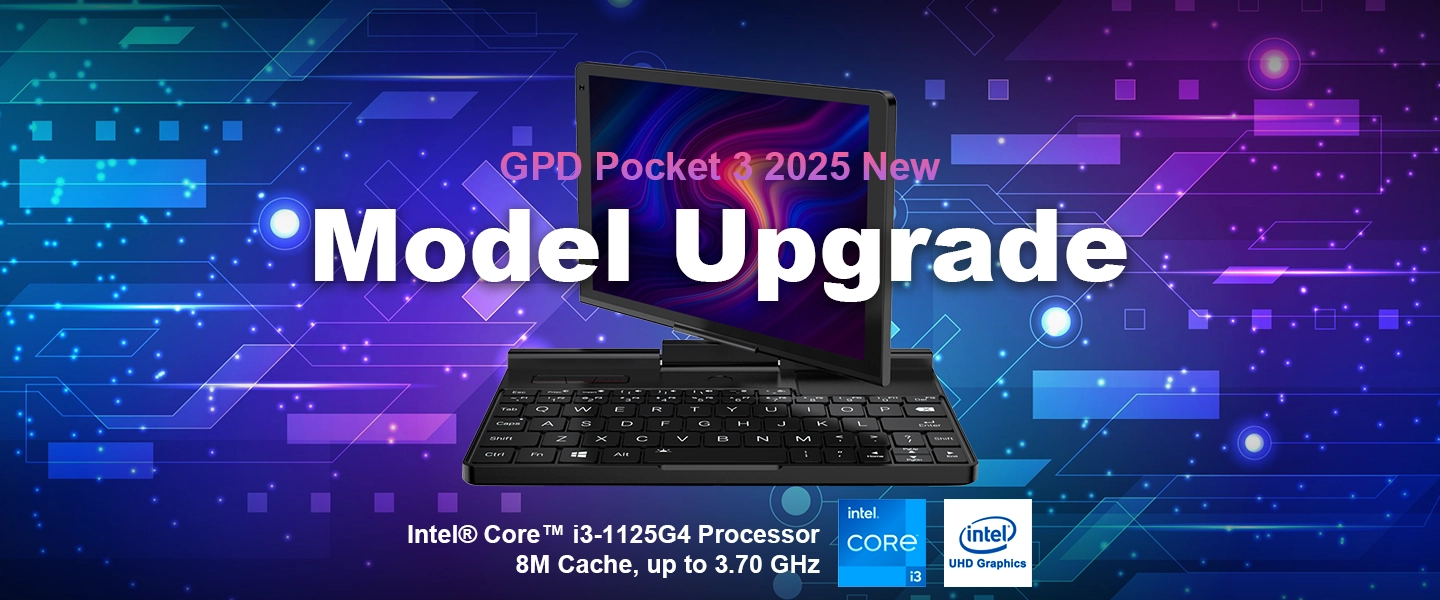
The new Pocket 3 replaces the previous Intel Pentium Gold 7505 version with the i3-1125G4. The Intel Core i3-1125G4 is a 4-core, 8-thread processor, while the Pentium Gold 7505 was only 2-core, 4-thread. The single-core performance is slightly better, but the multi-core performance is 40% stronger than the Pentium Gold 7505.

Thanks to PCIe Gen4 support, the SSD has been upgraded to a 512GB PCIe 4.0 NVMe SSD, delivering twice the read/write speeds of the Pentium Gold 7505 version, significantly reducing file transfer times and improving system responsiveness.
The Pocket 3 includes 1x HDMI 2.0b port and 1x Thunderbolt 4 port, supporting 8K/60Hz displays. The Thunderbolt 4 port is also compatible with USB4 devices and supports the GPD G1 eGPU, allowing smooth gameplay for most AAA titles, while the UHD integrated graphics are sufficient for most other gaming needs.

Core Specs & Design Breakdown
The 2025 GPD Pocket 3 retains its signature swappable modular interface, allowing users to choose between the KVM control module (featuring HDMI IN and USB IN ports) or the EIA RS-232 serial port module (for connecting external modems, PDAs, industrial equipment, or set-top boxes). This ensures compact size while maintaining expandability for different use cases.

The 8-inch sunlight-readable display covers ~89% DCI-P3 wide color gamut and supports the Surface Pen with 4096 levels of pressure sensitivity. Combined with a 180° rotating hinge, it enables on-the-go creativity, precision drawing, and easy document annotation.
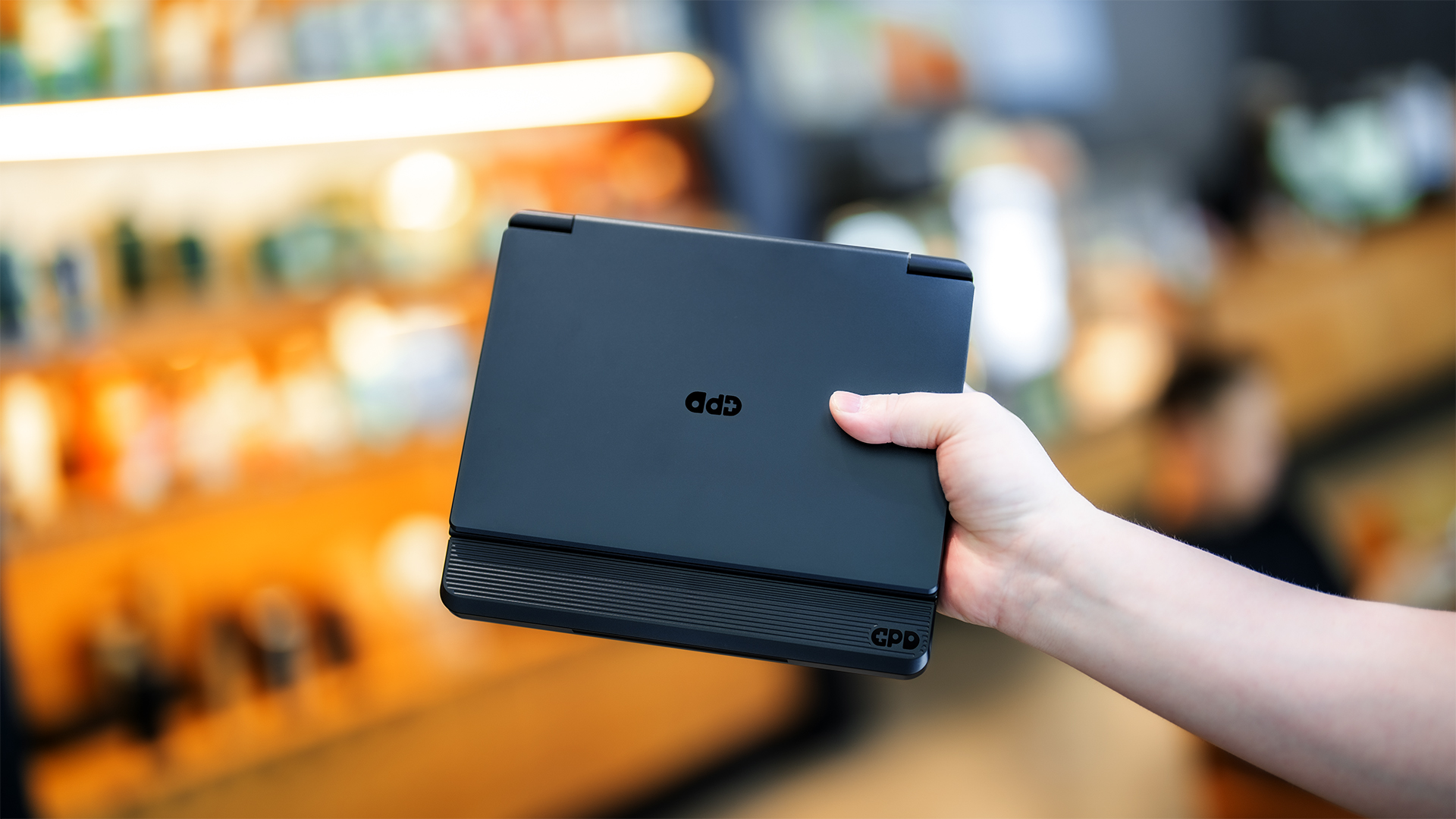
With a built-in 10,000mAh battery (38.5Wh), it delivers ~8.5 hours of video playback and supports 65W PD fast charging. Weighing just 725g and measuring 198×137×20mm, it easily fits into any bag, making work more convenient.

Conclusion
The GPD Pocket 3 (2025 model) offers affordable pricing while targeting mobile professionals and technical users. For those who need on-the-go device debugging, document editing, or light entertainment, it strikes the perfect balance between portability and functionality.