
GPD G1: The Perfect Balance of Portability and Performance
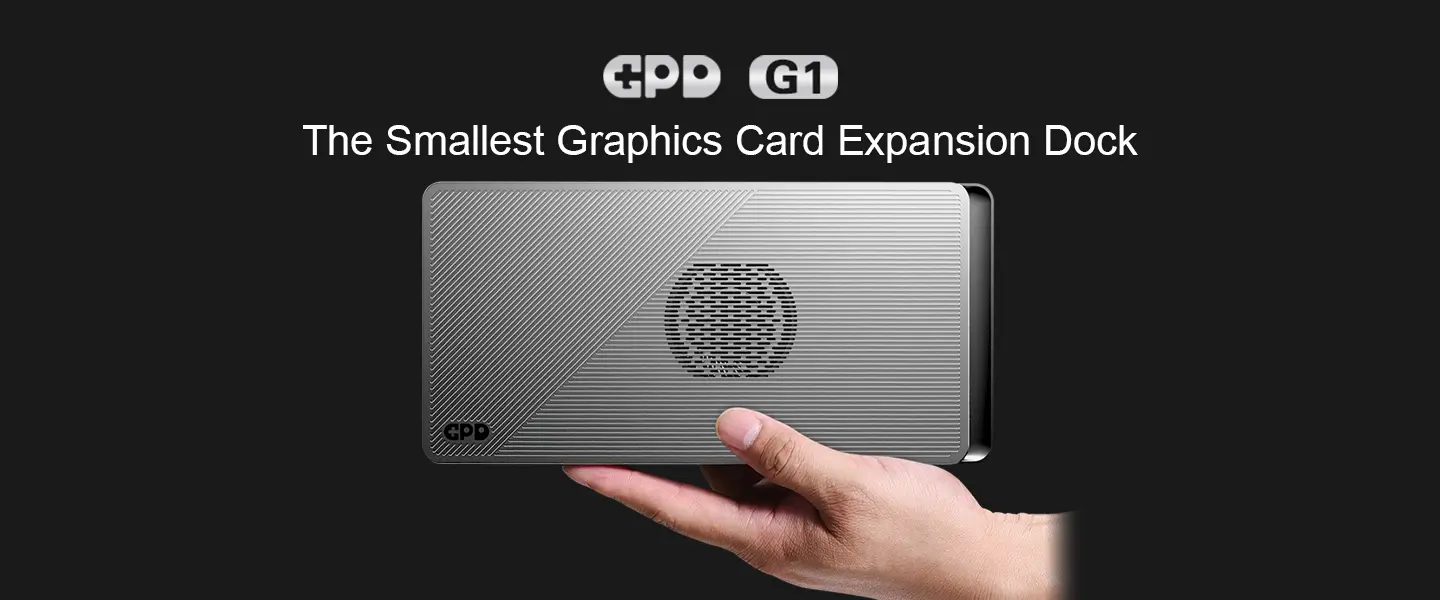
The GPD G1, dubbed the "world's smallest eGPU", boasts a compact design measuring just 26.1 x 14.7 x 8.5 cm and weighs only 1.48 kg, making it nearly the size of a handheld console. It features a built-in 240W ultra-compact GaN power supply, using PFC + LLC architecture for zero noise operation and an impressive 94% full-load efficiency, ensuring that the GPU and peripheral interfaces are supplied with stable power. Its small form factor is ideal for mobile scenarios, easily fitting into a backpack. When paired with the GPD Win4 handheld console, it even resembles a storage case.
The GPD G1 is equipped with an AMD Radeon RX 7600M XT GPU, based on the RDNA 3 architecture, featuring 8GB of GDDR6 memory, 32 compute units, and a 120W power draw. This performance is comparable to the desktop RTX 3070 or mobile RTX 4060, supporting high-frame-rate 1080p gaming with a significant performance boost over integrated graphics.
Additionally, the GPD G1 offers versatile connectivity options, including HDMI 2.1, DisplayPort 1.4a, three USB 3.2 ports, and an SD 4.0 card reader, allowing you to connect up to three external displays while also supporting USB-A and SD card readers for expanded functionality and an enhanced gaming experience.

Performance Boost for Various Devices with the GPD G1 eGPU
Upgrading Thin Laptops and Mini PCs:
The GPD G1 can transform thin laptops or mini PCs without dedicated graphics into full-fledged gaming machines. When connected via OCuLink, the eGPU unlocks the full potential of the GPU with 63Gbps bandwidth, enabling smooth gameplay on demanding titles like Cyberpunk 2077 that would otherwise be hindered by integrated graphics.
Enhancing Handheld Gaming Experiences:
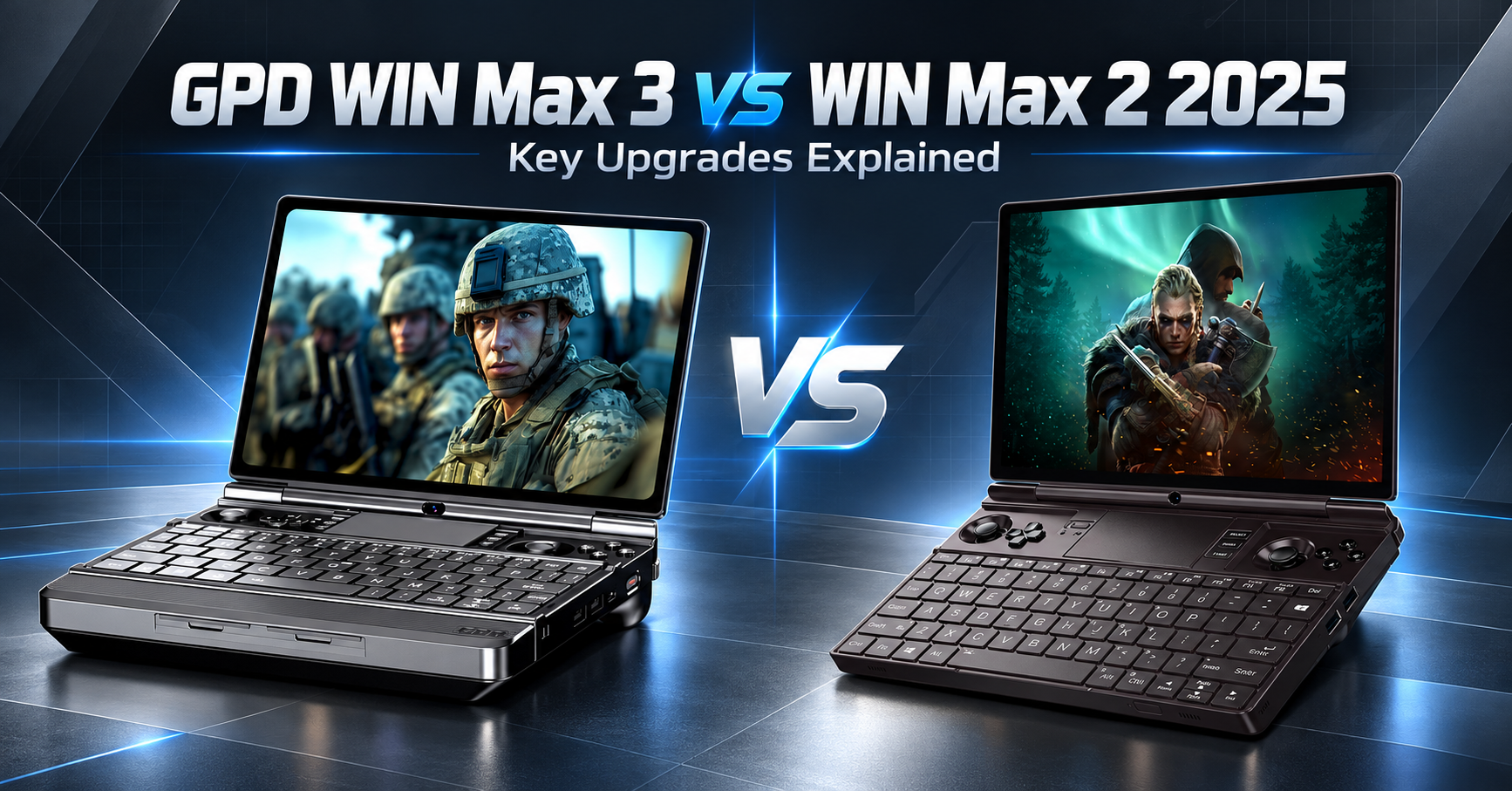
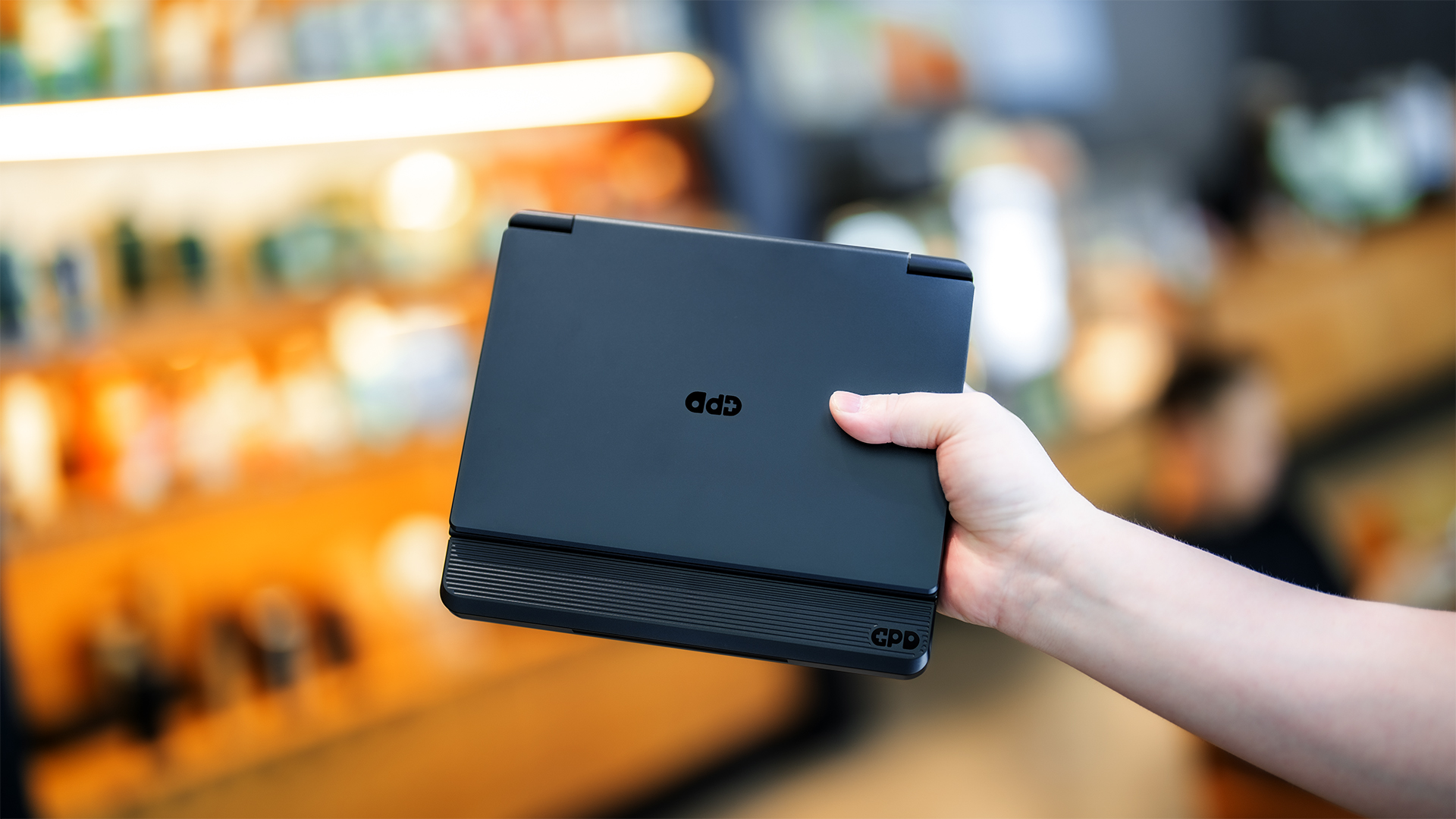
Devices like the GPD Win Max 2025 can use the GPD G1 to break through the performance limits of handheld consoles. Testing shows that game frame rates improve by 2-3 times, and users can even connect to external monitors for 4K output, effectively combining mobile convenience with desktop-level performance.
Great Compatibility and Future-Proof Potential:
While devices need to support OCuLink or USB4 interfaces, the GPD G1 offers broad compatibility with most laptops and handheld consoles. As more manufacturers adopt OCuLink, its performance advantages will continue to grow, offering even more potential for users seeking maximum performance.

OCuLink vs. USB4: A Comparison of Interface Technologies
OCuLink: Based on PCIe 5.0, OCuLink provides an impressive 63Gbps bandwidth with lower latency, making it ideal for users who demand the highest performance. However, it requires a device with a dedicated interface (such as the upcoming GPD Win Mini 2025), and using OCuLink disables some USB and SD functions. For gamers looking to maximize frame rates, OCuLink is the best choice.
USB4: Offering broader compatibility, USB4 provides 40Gbps bandwidth, supporting a wider range of devices. However, it has slightly higher transmission losses and delivers about 80% of OCuLink's performance. If you need to multitask and use additional peripherals like a mouse, keyboard, or storage devices, USB4 offers greater versatility.

The Ideal Choice for Those Seeking Portability and Power
With its compact size and desktop-grade performance, the GPD G1 redefines the eGPU experience, particularly for users who want a perfect balance of portability and power. If you're looking to enhance your handheld gaming device's performance, the GPD G1 is undoubtedly the ideal solution.